Tree Topping and Crown Reduction: Expert Stabilization
Homeowners should approach tree topping and crown reduction with extreme caution. While some people believe removing the top of a healthy tree improves stability against high winds, this often leads to long-term structural failure. I want to explain why traditional topping can turn a minor concern into a major liability and why "crown reduction" serves as the superior alternative for your family’s safety.
The Dangers of Topping
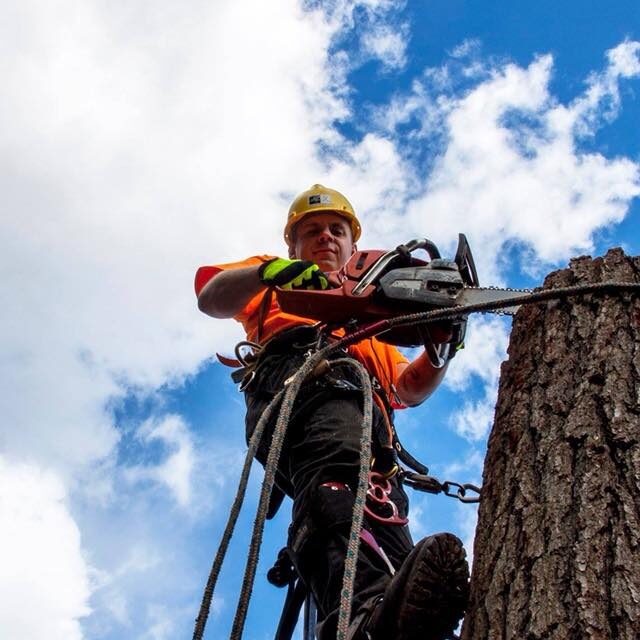
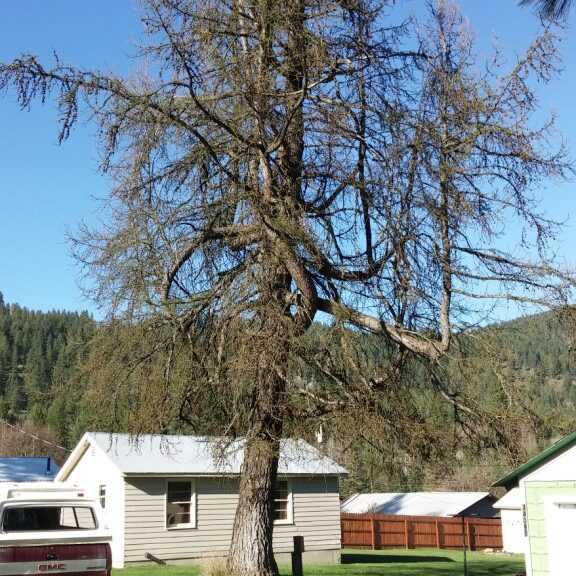
Over the years, I have received many calls from homeowners worried about trees after a big windstorm. Often, they ask me to remove the tops of healthy trees to prevent damage. Initially, a topped tree may seem stable; however, after 5 to 8 years, the tree is significantly more dangerous than it was before.
Once a tree is topped, the remaining limbs compete to become a new "leader." Because these new tops grow rapidly and lack the structural integrity of the original growth, they become top-heavy. Eventually, the wind will catch this excess weight, potentially causing the entire section to break off and land on your home.
The Superior Choice: Tree Crown Reduction
In contrast, tree crown reduction is my favorite method for stabilizing a tree. Through this process, we reduce the crown without resorting to damaging topping cuts. We stabilize the tree by strategically removing specific limbs in the top third of the canopy. This method offers two major benefits:
Natural Aesthetics: The tree maintains its natural shape and beauty.
Wind Resistance: By reducing weight at the top, we significantly lower wind drag.
Why "Sail Reduction" Works
We often refer to this method as "sail reduction." Think of a sailboat: the wind fills the sail to push the boat through the water. Trees act similarly; the fuller the canopy, the more surface area the wind has to push against. By carefully "putting holes in the sail"—or thinning the crown—we provide less surface area for the wind to strike, which keeps the tree stationary and safe.
Professional Expertise
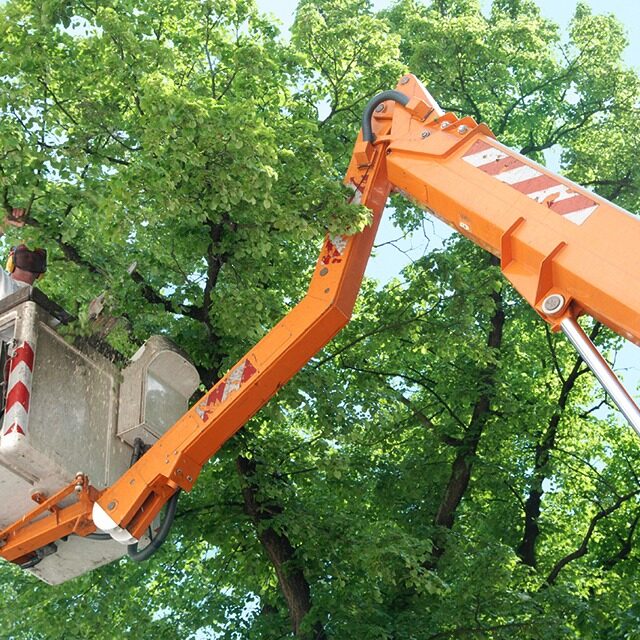
Most of the trees we work on retain a natural appearance that would be difficult for the average person to spot as "trimmed." We take great care to ensure every cut promotes health and longevity.
For more information on proper arboriculture, review safety standards from the ISA. Furthermore, if you need professional tree topping and crown reduction alternatives, contact our team today for an expert consultation. We are here to ensure your trees remain beautiful and, most importantly, safe for your family.