Common Christmas Tree Types: How to Choose the Perfect Tree
Common Christmas Tree Types: How to Choose the Perfect Tree
Selecting a centerpiece for your home during the holidays is a tradition that brings families together. With so many common Christmas tree types available, it can be difficult to know which one is the right fit for your living room. Whether you prioritize needle retention, limb strength for heavy ornaments, or that classic, nostalgic fragrance, understanding the unique characteristics of each species will help you make the best choice.

A Guide to Popular Varieties
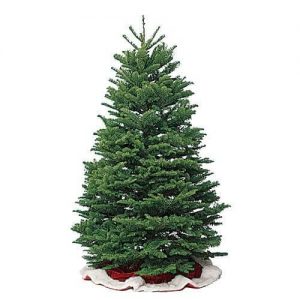
Noble Fir
This Pacific Northwest native has a full, rounded silhouette thanks to thick, silvery-green needles and branches that stick straight out from the trunk. Its symmetrical shape makes it a great pick, and the super-strong limbs can support heavy ornaments.
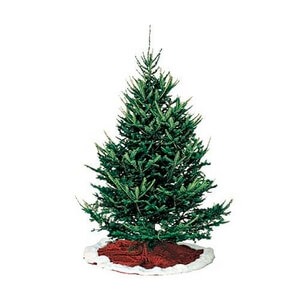
Balsam Fir
This classic Northeastern tree gets the award for "Christmassy" scent, which can perfume a whole room. It sheds very little, and its look is similar to the Fraser fir, with dark green needles that slope upward to a slender top.
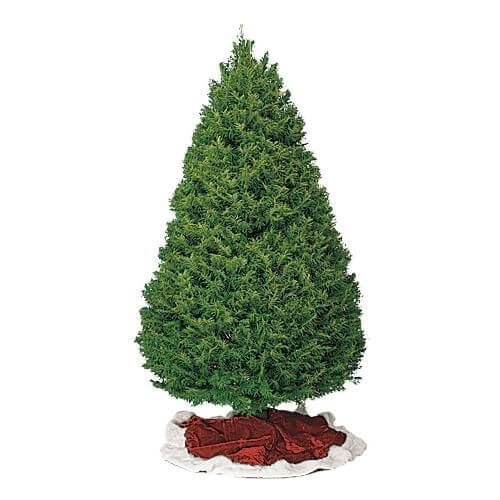
Douglas Fir
One of the most popular Christmas trees in the Pacific Northwest, this fir has soft blue-green or dark-green needles that give off a fragrance when crushed. Lighter in weight than other varieties, it can be easier to transport home and manipulate in a stand.
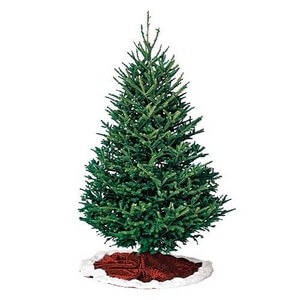
Fraser Fir
You can tell a Fraser from a balsam by the pair of silvery stripes on the underside of each needle. Concentrated in mountainous parts of the South, Frasers have sturdy, upturned branches that are ideal for showcasing ornaments; they also retain their needles better than most.
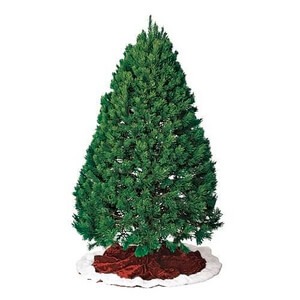
Scotch Pine
With long, flexible needles ranging from bright green to bluish, this pine has a soft, fluffy look. Grown in the Eastern States, Scotches have firm branches and dense foliage; they are best paired with bold ornaments that won’t get lost in the boughs.
Tips for Fresh Christmas Tree Care
Regardless of which species you choose, proper care is essential to keep your tree vibrant and safe throughout the season:
-
The Fresh Cut: Before placing your tree in a stand, make a fresh, straight cut across the base of the trunk. This opens the pores and allows the tree to absorb water effectively.
-
Hydration is Key: Check your tree stand daily. A fresh tree can drink a surprising amount of water in the first week. Never let the water level drop below the base of the trunk, or the tree will seal itself off.
-
Placement Matters: Avoid placing your tree near heat sources like fireplaces, radiators, or heating vents, which can accelerate drying and increase fire hazards.
If you are interested in more professional advice on tree health or need help with tree maintenance on your property throughout the year, contact our team. For further resources on holiday traditions and sustainability, we recommend visiting the National Christmas Tree Association.